


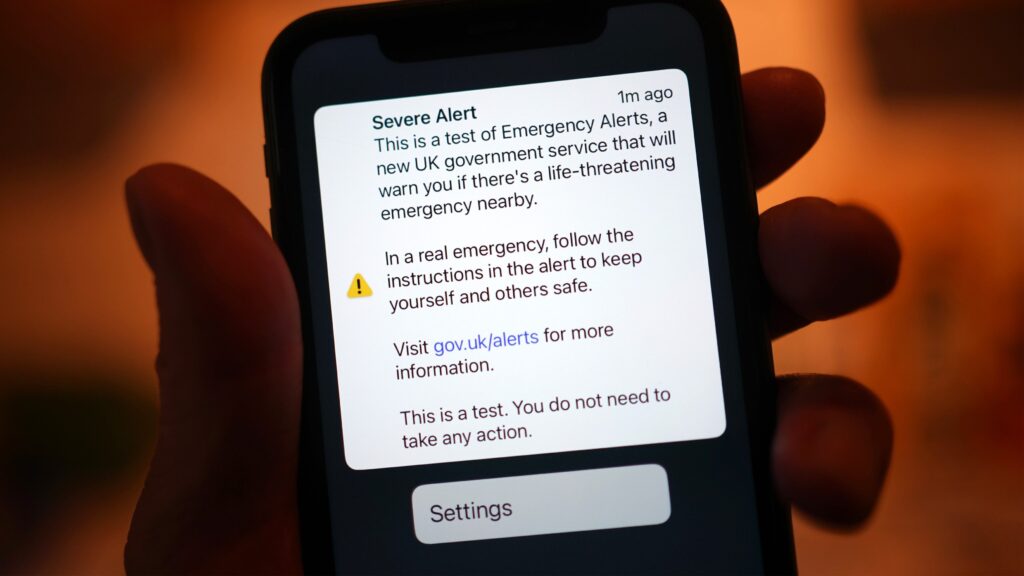
The Second National Test: Sunday, 7th September 2025
At approximately 3:00 PM BST on Sunday, 7th September 2025, millions of mobile phones across the UK will emit a 10-second siren-like sound and vibrate intensely – even if set to silent. This marks the second nationwide test of the UK Emergency Alert System, designed to warn citizens of life-threatening emergencies like extreme weather, floods, or terrorist attacks.
The government has pre-released the alert message to avoid public panic:
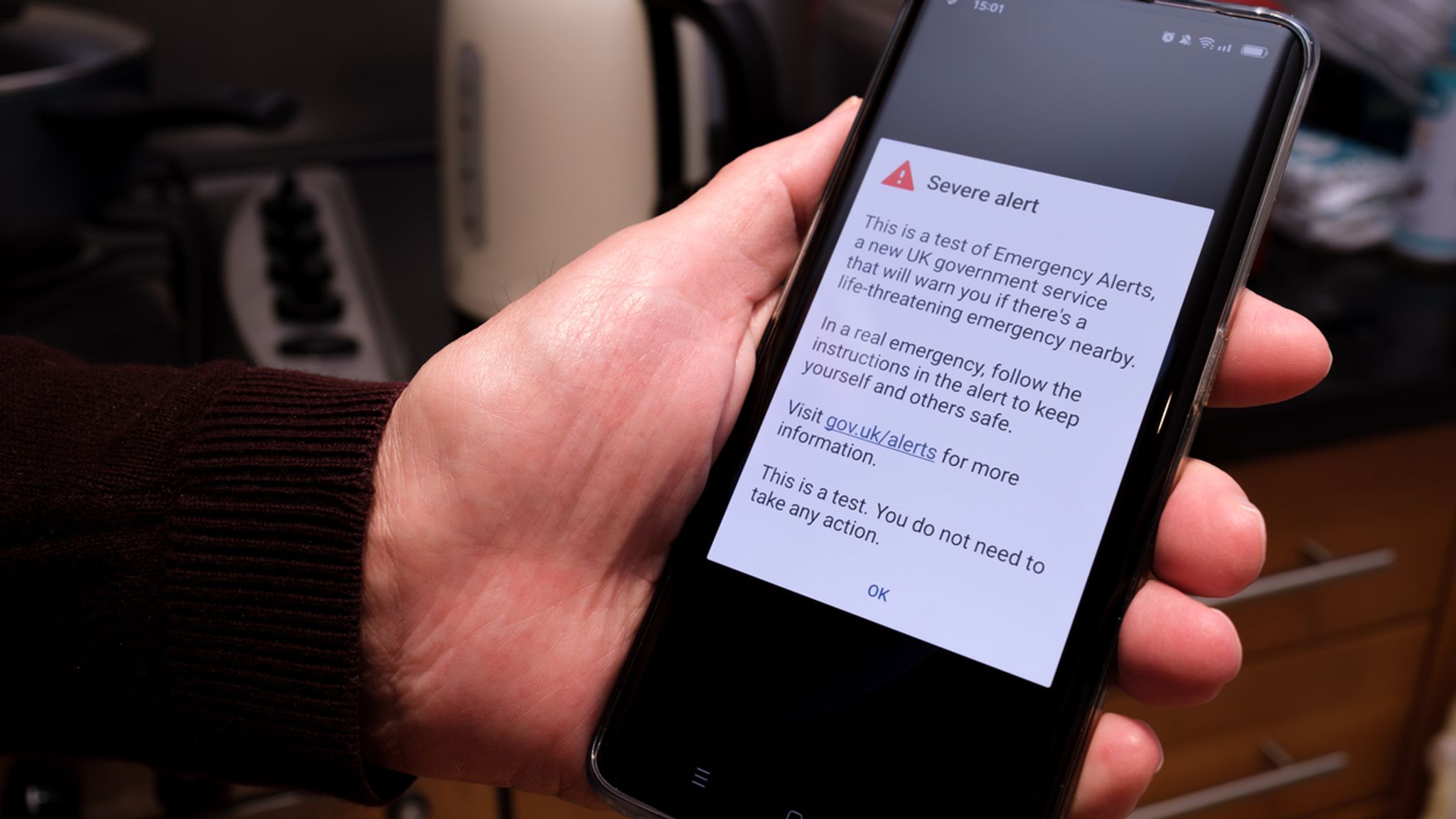
“This is a test of Emergency Alerts, a UK government service that will warn you if there’s a life-threatening emergency nearby. You do not need to take any action. In a real emergency, follow the instructions in the alert to keep yourself and others safe. Visit gov.uk/alerts for more information or to view this message in Welsh.”

Why This Test Matters
- Learning from Past Challenges:
The first national test in April 2023 revealed gaps – 7% of devices (notably Three network users) didn’t receive the alert. This test aims to refine coverage for the UK’s 87 million mobile devices. - Proven Lifesaving Potential:
Since 2023, the system activated five times:- Storm Darragh (Dec 2024): Alerted 3.5 million in Wales/SW England.
- Storm Eowyn (Jan 2025): Reached 4.5 million in Scotland/Northern Ireland.
- Plymouth Unexploded Bomb (Feb 2024): Safely evacuated 10,000 residents.
- Global Standards:
Regular tests align with practices in the US and Japan, ensuring system reliability during crises.
Key Features of the Emergency Alert System
| Aspect | Details |
|---|---|
| Device Compatibility | Works on 4G/5G smartphones (iOS 14.5+/Android 11+). Excludes 2G/3G devices. |
| Location-Based | Alerts target your current location – no tracking or personal data collected. |
| Accessibility | Audio/vibration cues for deaf/hard of hearing; Welsh/English messaging. |
| Driving Safety | Do NOT check alerts while driving. Pull over safely first. |
Addressing Public Concerns
- Domestic Abuse Victims:
Hidden phones can be switched off or set to airplane mode to avoid detection. The government’s opt-out guide details disabling alerts in settings. - Rural & Vulnerable Groups:
MPs like Sarah Olney (Lib Dem) urge supplementary methods (e.g., leaflets) for those without smartphones. - System Limitations:
Roughly 5% lack 4G/5G coverage. The government is working with telecoms to close gaps.
How to Prepare
- Before 7th September:
- Ensure your phone is on 4G/5G.
- Opt out if needed: Disable “Emergency Alerts” in device settings (Settings > Notifications).
- Share test details with vulnerable contacts.
- During the Test:
- No action needed. The alert clarifies it’s a test.
- Drivers: Ignore until safely parked.
(Video: Government BSL explanation of emergency alerts)
The Bigger Picture: UK Resilience
This test is part of a broader Resilience Action Plan unveiled by Chancellor Pat McFadden, including:
- £370 million for secure telecommunications.
- £4.2 billion for flood defences.
- Exercise Pegasus: The UK’s largest pandemic drill (Autumn 2025).
As McFadden states:
“Just like a fire alarm, we test this system to ensure it works when lives depend on it.”
Stay Informed
- Official Resources: GOV.UK Alerts, Prepare for Emergencies
Final Thought: While no system is perfect, the UK’s proactive testing and real-world refinements signal a commitment to public safety. This test ensures that when the next crisis strikes – be it a storm or an unexploded bomb – alerts will reach you swiftly, clearly, and potentially lifesaving.