


PETROPAVLOVSK-KAMCHATSKY, RUSSIA – One of the most powerful earthquakes ever recorded struck Russia’s remote Kamchatka Peninsula at 9:25 a.m. local time Wednesday (4:25 p.m. PDT Tuesday), unleashing tsunami waves that raced across the Pacific Ocean, triggering mass evacuations from Japan to Hawaii and putting millions on high alert. The magnitude 8.8 quake – tied as the sixth-strongest seismic event in recorded history – originated just 74 miles east-southeast of Petropavlovsk-Kamchatsky at a shallow depth of 12 miles, according to the U.S. Geological Survey.
Critical Developments
- Russian Epicenter Impact: Near the quake’s origin, tsunami waves reached 3-5 meters (10-16 feet), flooding Severo-Kurilsk’s port, sweeping away fishing boats and storage containers. Remarkably, Russian authorities reported “no casualties” with Kremlin spokesman Dmitry Peskov crediting timely evacuations and seismic-resistant buildings.
- Pacific-Wide Response: Tsunami warnings cascaded across the Pacific Rim:
- Japan: Over 2 million evacuated as waves up to 1.3 meters hit Hokkaido. All warnings were later downgraded to advisories.
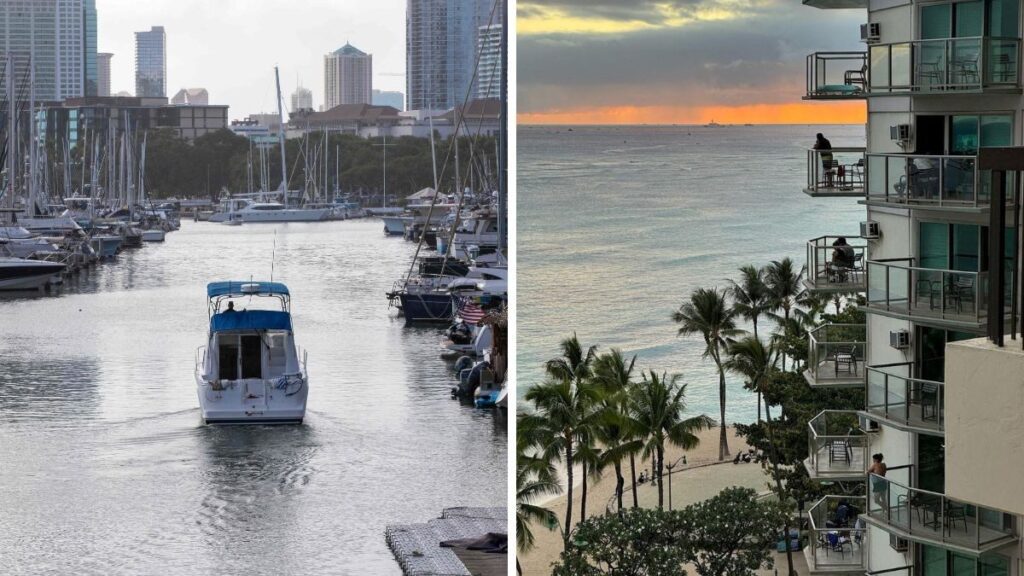
- Hawaii: Waves peaked at 1.7 meters (5.5 feet) in Kahului, Maui. Evacuations caused massive traffic jams, with tourists like Sarah Sikes describing “a lot of anxiety” as sirens blared. Flights were grounded overnight before warnings were downgraded.
- U.S. West Coast: Crescent City, California – devastated by past tsunamis – recorded 3.6-foot waves. Only a 40-mile stretch of Northern California remains under tsunami warning.
- Ongoing Threats: French Polynesia braces for waves up to 4 meters (13 feet) overnight in the Marquesas Islands, while Chile maintains a “red alert” for its entire coastline.
- Volcanic Eruption: Adding to the geologic turmoil, Eurasia’s tallest active volcano – Klyuchevskoy Sopka (15,580 ft) – erupted following the quake, Russian state media confirmed.
Why This Quake Shook the World
The colossal tremor occurred along the Kuril-Kamchatka subduction zone – where the Pacific Plate slides beneath the Okhotsk microplate. According to seismologists, this same tectonic setting triggered the catastrophic 2011 Japan and 2004 Indian Ocean tsunamis.
“This is the largest earthquake we’ve had in over a decade worldwide,” stated Jeffrey Park, Seismologist at Yale University. “It’s among the top 10 earthquakes measured by humans in the last century and a half.”
The quake’s shallow depth and “megathrust” mechanism displaced massive seawater volumes, generating trans-oceanic waves traveling at jetliner speeds (500 mph) across the Pacific.
Global Tsunami Response: A System Tested
- Japan’s Preparedness: Evacuation orders activated within minutes. At Fukushima – site of the 2011 nuclear disaster – 4,000 workers moved to higher ground. No abnormalities were reported at nuclear plants.
- Hawaii’s Vigilance: Sirens echoed across islands as residents recalled the deadly 1946 and 1960 tsunamis. Maui resident Debra Daniels described cars “lining mountain roads” as people sought safety.
- Warning Systems Worked: Data from deep-ocean DART buoys and coastal tide gauges fed real-time forecasts. The Pacific Tsunami Warning Center issued bulletins within 9 minutes.


Tsunami Science: Understanding the Threat
Unlike wind-driven waves, tsunamis involve the entire water column from surface to seafloor. As they approach shallow coasts, they slow down and build height dramatically. Key danger signs include:
- Strong, prolonged earthquakes
- Unusual ocean behavior (sudden water retreat or roaring sounds)
- Rapid sea level changes (even small initial waves signal larger surges)
Current Status and Future Risk
As of 18:20 IST July 30:
- Russia, Japan, Hawaii, Philippines: Tsunami warnings lifted or downgraded to advisories.
- California: Tsunami warning remains for Cape Mendocino to Oregon border; dangerous currents persist.
- French Polynesia/Chile: Highest alerts active; waves expected overnight.
Scientists warn aftershocks up to magnitude 7.5 could continue for weeks. Coastal communities should remain vigilant as tsunamis involve multiple waves over h.ours or days.
Tsunami Safety: Critical Actions
If you’re near any coast:
- HEAR a tsunami siren or roar? MOVE inland or to high ground immediately.
- SEE unusual water retreat? DO NOT investigate—evacuate.
- FEEL strong, prolonged shaking? DROP, COVER, HOLD ON during quake, then evacuate after shaking stops.
For real-time updates, monitor official sources like the Pacific Tsunami Warning Center and USGS Earthquake Hazards Program.