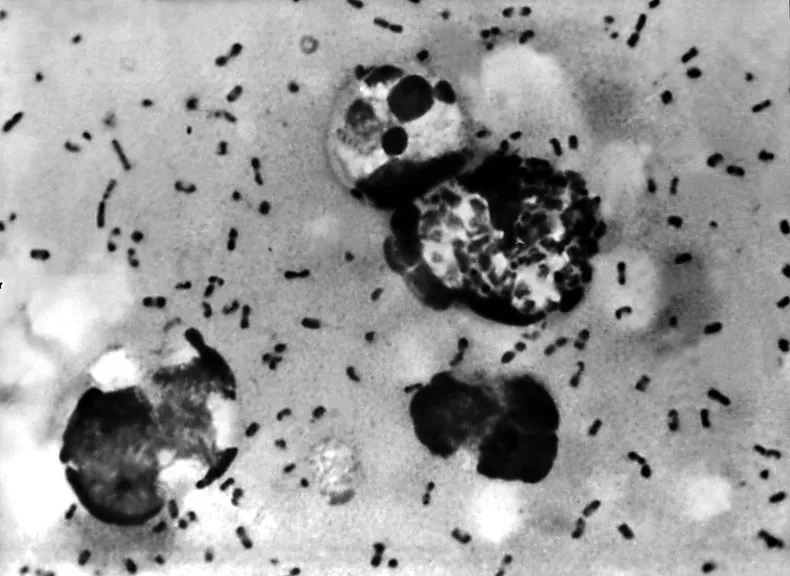
A chilling chapter from medieval history resurfaced in Arizona this week when a Coconino County resident succumbed to pneumonic plague—a direct descendant of the bacterium that caused the Black Death. This plague in Arizona 2025 marks the first fatality in the region since 2007, starkly reminding us that Yersinia pestis never vanished, merely retreated into nature’s shadows. While health officials emphasize that human plague remains rare (averaging just seven U.S. cases yearly), this tragedy coincides with groundbreaking scientific revelations about the pathogen’s evolution and urgent vaccine development efforts to combat antimicrobial resistance.
⚠️ The Arizona Case: What We Know
- Rapid Fatality: The unidentified patient arrived at Flagstaff Medical Center’s ER with severe symptoms and died the same day despite life-saving interventions. Presumptive testing confirmed Yersinia pestis infection.
- Pneumonic Form: Unlike its more common bubonic cousin, pneumonic plague attacks the lungs, is airborne-transmissible, and kills within 18-24 hours if untreated.
- No Known Link: This isolated bubonic plague 2025 case shows the pathogen’s persistent threat in endemic zones. Officials confirmed this case is unrelated to a recent prairie dog die-off near Flagstaff—a phenomenon often signaling plague activity in rodents.
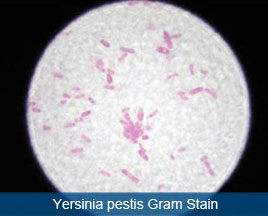
Microscopic view of Yersinia pestis bacteria (Credit: CDC Public Health Image Library)
🧬 The Plague Through Time: Evolution of a Killer
Ancient Origins:
- Genetic evidence confirms Y. pestis circulated 5,000+ years ago, with Bronze Age strains (≈1800 BC) capable of flea-borne transmission.
- The Black Death (1346-1353) killed 30-60% of Europe’s population via bubonic (lymphatic) and pneumonic (lung) forms.
Modern Adaptation:
- A 2025 study in Science revealed a critical genetic shift: Strains with reduced pla gene copies emerged during pandemics. These were less lethal (20% higher host survival) but more transmissible, allowing plague to persist endemically.
- Today’s dominant strains regained full pla virulence—explaining why untreated pneumonic plague remains 100% fatal.
📍 Plague Hotspots: Where It Lurks Today
While global cases cluster in Africa (Madagascar, DRC) and Asia, the U.S. sees consistent activity in:
- Northern New Mexico, Arizona, Southern Colorado
- California, Southern Oregon, Western Nevada
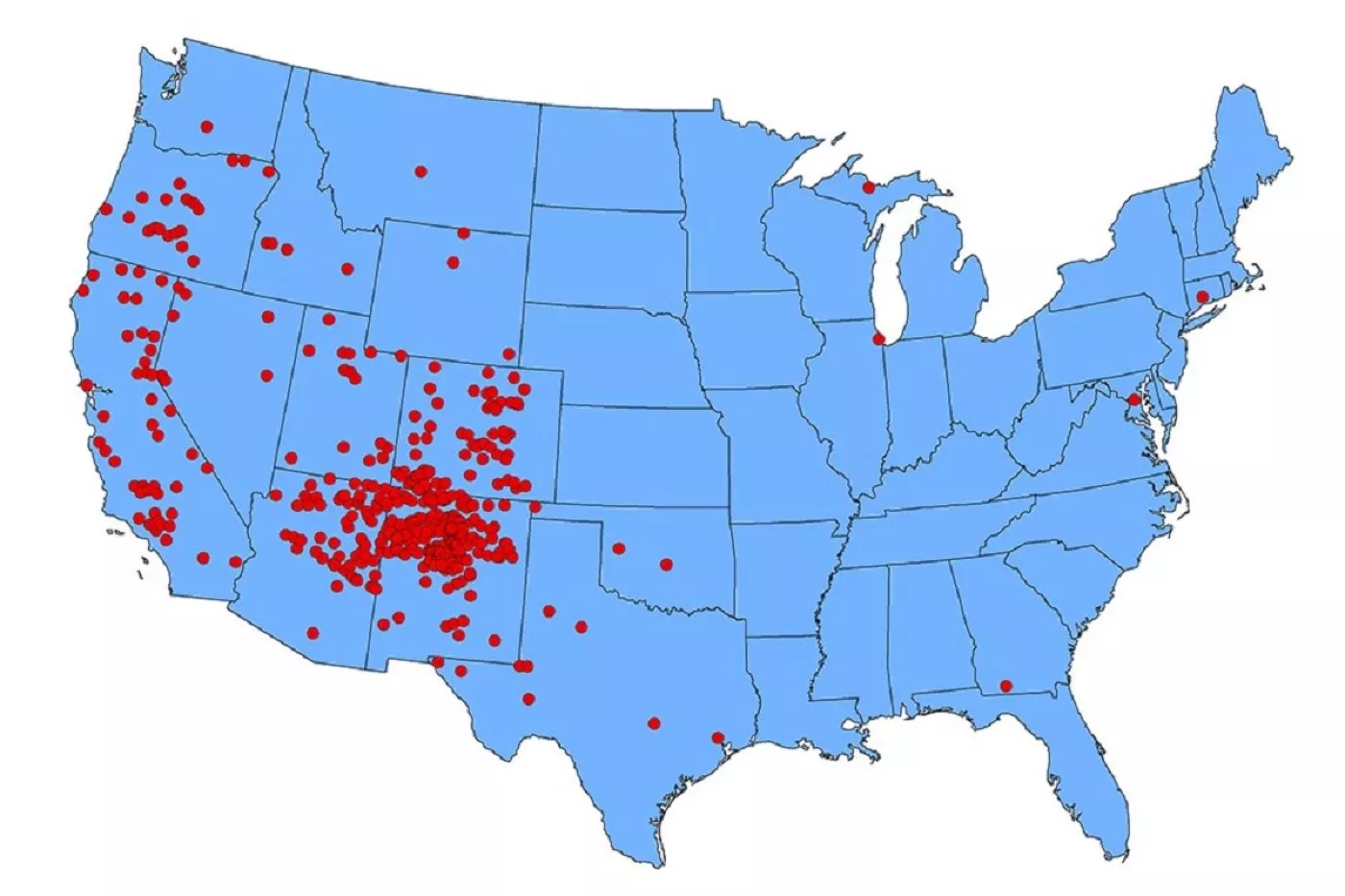
U.S. plague endemic zones (Source: CDC)
Rodents—prairie dogs, ground squirrels, rats—serve as primary reservoirs. Humans typically contract plague via:
- Infected flea bites (bubonic)
- Handling sick animals (septicemic)
- Inhaling droplets from pneumonic patients/animals
🚨 Symptoms & Progression: A Timeline
| Form | Incubation | Key Symptoms | Fatality (Untreated) |
|---|---|---|---|
| Bubonic | 2-8 days | Swollen lymph nodes (buboes), fever, chills | 30-60% |
| Pneumonic | 1-3 days | Cough, bloody sputum, respiratory failure | 100% |
| Septicemic | 2-7 days | Abdominal pain, tissue necrosis, organ shock | Near 100% |
“Plague’s swiftness is its deadliest trait. Pneumonic cases can progress from first cough to death in under 24 hours.”
— Dr. Lorna Powell, NHS Urgent Care Physician
💊 Treatment & Prevention: Why Early Action Saves Lives
Antibiotics (gentamicin, doxycycline) cure 90%+ of the plague 2025 cases when administered within 24 hours of symptoms. Delayed treatment drops survival rates dramatically.
Critical Prevention Measures:
- Treat pets for fleas monthly
- Avoid handling sick/dead animals
- Use DEET repellent in endemic zones
- Eliminate rodent habitats near homes
Fun Fact: The “Black Death” name emerged centuries later—14th-century Europeans called it “The Great Mortality.”
🔬 The Next Frontier: Vaccines and Antimicrobial Resistance
With antibiotic resistance rising globally, scientists warn plague could resurge as a “superbug.” This drives urgent vaccine development:
- Oxford’s bubonic vaccine (dubbed the ‘Black Death Jab’): Phase I trials showed strong immune response in humans. Pending peer review (2025), it may become the first modern plague vaccine.
- Dual Purpose: Protects against both natural outbreaks and potential bioweapon use. Y. pestis is classified as a Category A bioterror agent due to its airborne spread.
“Antimicrobial resistance could render plague untreatable. A vaccine isn’t fear-mongering—it’s pandemic preparedness.”
— Prof. Andrew Pollard, Oxford Vaccine Group Director
This bubonic vaccine could revolutionize outbreak response in endemic regions.
🌎 Climate Change & Future Risk
Warming temperatures expand rodent habitats and flea ranges. Studies confirm:
- Marine heatwaves (Mediterranean SSTs ≈27°C) correlate with plague spikes in Africa.
- Rodent migrations from arid zones into human settlements may increase spillover events.
The WHO lists plague as a re-emerging disease, with climate models predicting expanded risk zones by 2050.
❓ Why Arizona’s Case Matters
While isolated, this death highlights systemic vulnerabilities:
- Diagnostic Delays: Pneumonic plague mimics COVID-19/flu (fever, cough). Clinicians in endemic zones need heightened suspicion.
- Public Awareness: Only 23% of Arizonans recognize plague symptoms per state health surveys.
- Ecological Surveillance: Testing animal die-offs (like Flagstaff’s prairie dogs) remains critical for early warnings.
💎 Key Takeaways
- Plague persists: Endemic in western U.S. rodents; human cases are rare but high-stakes.
- Pneumonic = Emergency: Immediate antibiotics are essential—any delay is lethal.
- Vaccines imminent: Oxford’s jab could soon neutralize both natural and bioterror threats.
- Climate connection: Warming world may expand plague’s footprint.
“The plague bacterium hasn’t changed—but our tools have. Respect, don’t fear it.”
— CDC Plague Response Unit
For real-time alerts: Bookmark the CDC Plague Map Tracker and WHO Plague Fact Sheet. Report sick/dead animals to local health departments.